Ilyas Insects
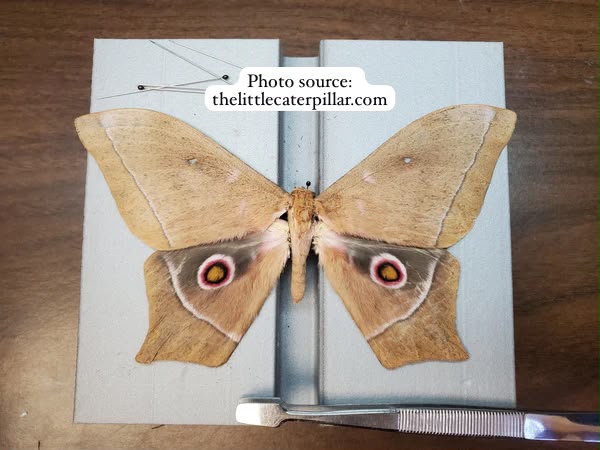
Imbrasia epimethea
Imbrasia epimethea
Kan beschikbaarheid voor afhalen niet laden
Imbrasia epimethea, a large Saturniid native to West and Central Africa, ranging from Guinea-Bissau to Kenya and south to Angola and Mozambique. This species is not recommended for beginners, it is slow growing and highly sensitive to food quality and hygiene.
Environment: Keep young larvae in closed plastic containers at room temperature or warmer. As larvae grow, switch to larger containers with a mesh or breathable fabric cover instead of a closed lid, or move to a netted cage for increased airflow.
Humidity: Keep dry. Do not spray, do not give wet leaves, and watch closely for condensation inside the container. This species tolerates excess moisture very poorly.
Diet (larvae): Polyphagous, accepts Salix (willow) and Liquidambar (sweetgum) among European host plants, as well as various Fabaceae, Apocynaceae, Annona, Trema, Celtis, and Combretum in its native range. Replace food often and only offer fresh, high quality foliage, this species responds very badly to poor quality food.
Behavior: Larvae are highly gregarious, feeding in dense clusters from the first instar onward. Do not overcrowd, hygiene and spacing are critical to prevent disease. Growth is slow, larvae typically take 6 to 9 weeks to reach pupation, faster in warmer conditions. The pupal stage can last over a year, and moths emerge irregularly and unevenly, which makes synchronizing pairs a real challenge.
Temperature: Room temperature or warmer, warmth speeds up growth noticeably.
Pupae care: Imbrasia epimethea does not spin a cocoon. Mature larvae burrow into soil to pupate, so a layer of slightly moist, well draining substrate such as coco fiber or a soil and vermiculite mix, at least 8 to 10cm deep, should be provided for wandering final instar larvae.
Humidity: Keep the substrate lightly moist, not wet. Mist occasionally to prevent the substrate from drying out completely, since fully dried out soil will desiccate the pupae, but avoid waterlogging, which encourages mould.
Temperature: Keep at room temperature or slightly warmer, similar to the larval stage. This is a tropical species with no true cold diapause, so pupae should never be refrigerated or exposed to cold like temperate species.
Emergence: Highly irregular. Pupae can take anywhere from a few months up to over a year to emerge, and broods rarely synchronize well, even from the same clutch. Check the substrate periodically for emerged moths and keep patience, this is considered one of the main difficulties of the species. Avoid disturbing or digging up pupae unnecessarily, as handling can damage them.
Deel