Ilyas Insects
Cricula trifenestrata
Cricula trifenestrata
Couldn't load pickup availability
Cricula trifenestrata
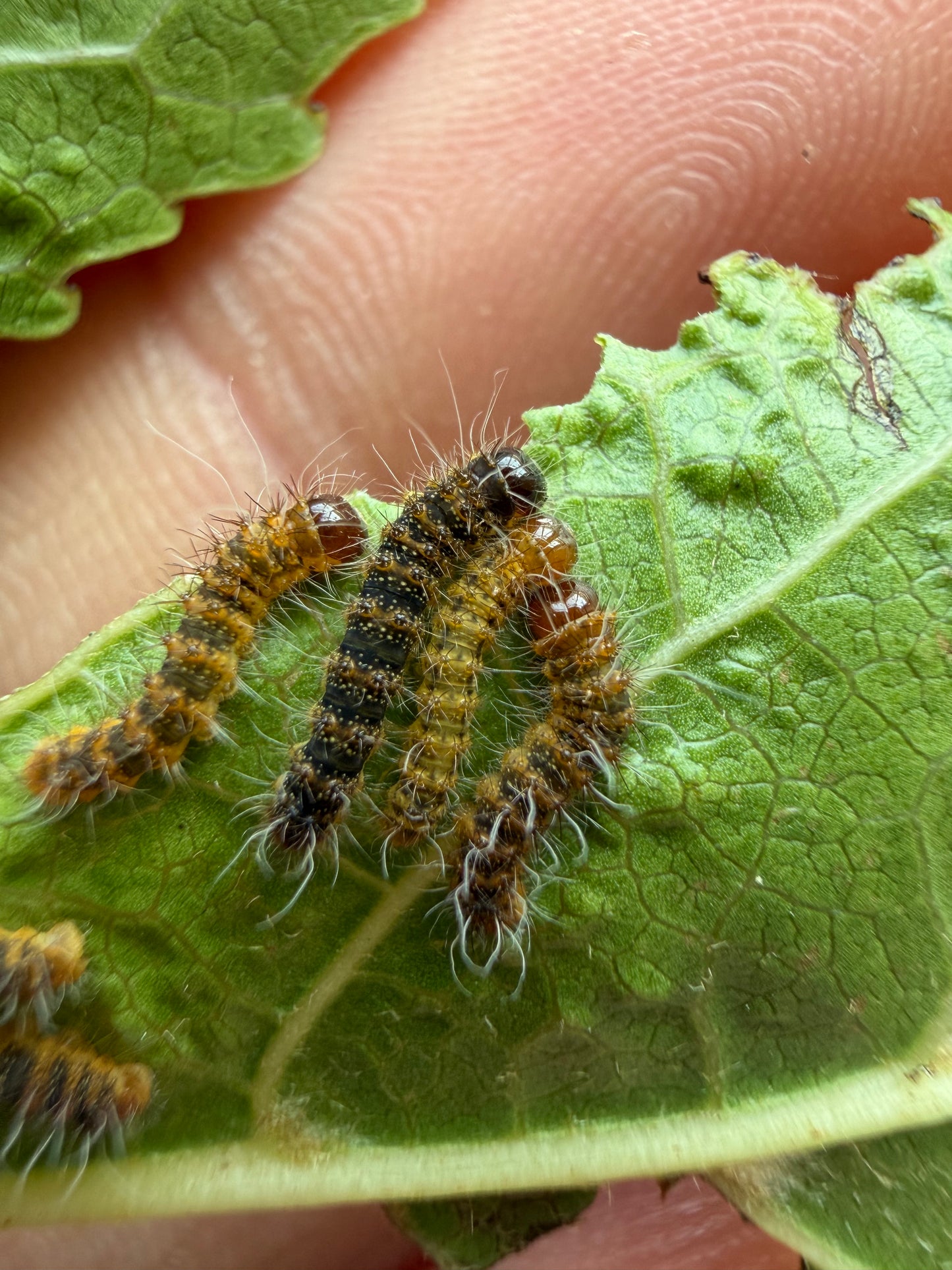
commonly known as the Cricula Silkmoth, is a large Saturniid native to South and Southeast Asia, from India through Indonesia. This species produces golden, mesh cocoons and has highly gregarious larvae.
These moths are relatively easy to rear in captivity. Larvae feed communally, which makes group rearing straightforward, but overcrowding and humidity control are the main challenges to master.
Environment: Mesh cage or well ventilated enclosure for adults. Provide ample flight space, wings are delicate and can tatter against enclosure walls. Provide fresh cut host plant branches in water for larvae, with enough surface area for communal feeding.
Humidity: Moderate. Avoid condensation or wet leaves inside the rearing container, as excess moisture combined with the larvae's communal habits increases the risk of bacterial and viral outbreaks spreading through the group.
Diet (larvae): Polyphagous, accepts a range of European host plants including Prunus (cherry, highly recommended), Quercus (oak), Liquidambar (sweetgum), Rhus (sumac), and Malus (apple). Larvae are gregarious, feeding in clusters especially in early instars. Rear in groups on ample foliage, increase ventilation and spacing as larvae grow to prevent disease spread.
Behavior: Larvae are gregarious, forming dense feeding clusters from L1 through later instars. Mature larvae are yellow green with black tubercles. Pupation occurs in a golden, mesh cocoon, often spun communally in clusters. Adults are strong fliers with no functional mouthparts. A tropical species with no true pupal diapause, continuously brooded under stable warmth.
Temperature: 24–28 °C is ideal.
Share