Ilyas Insects
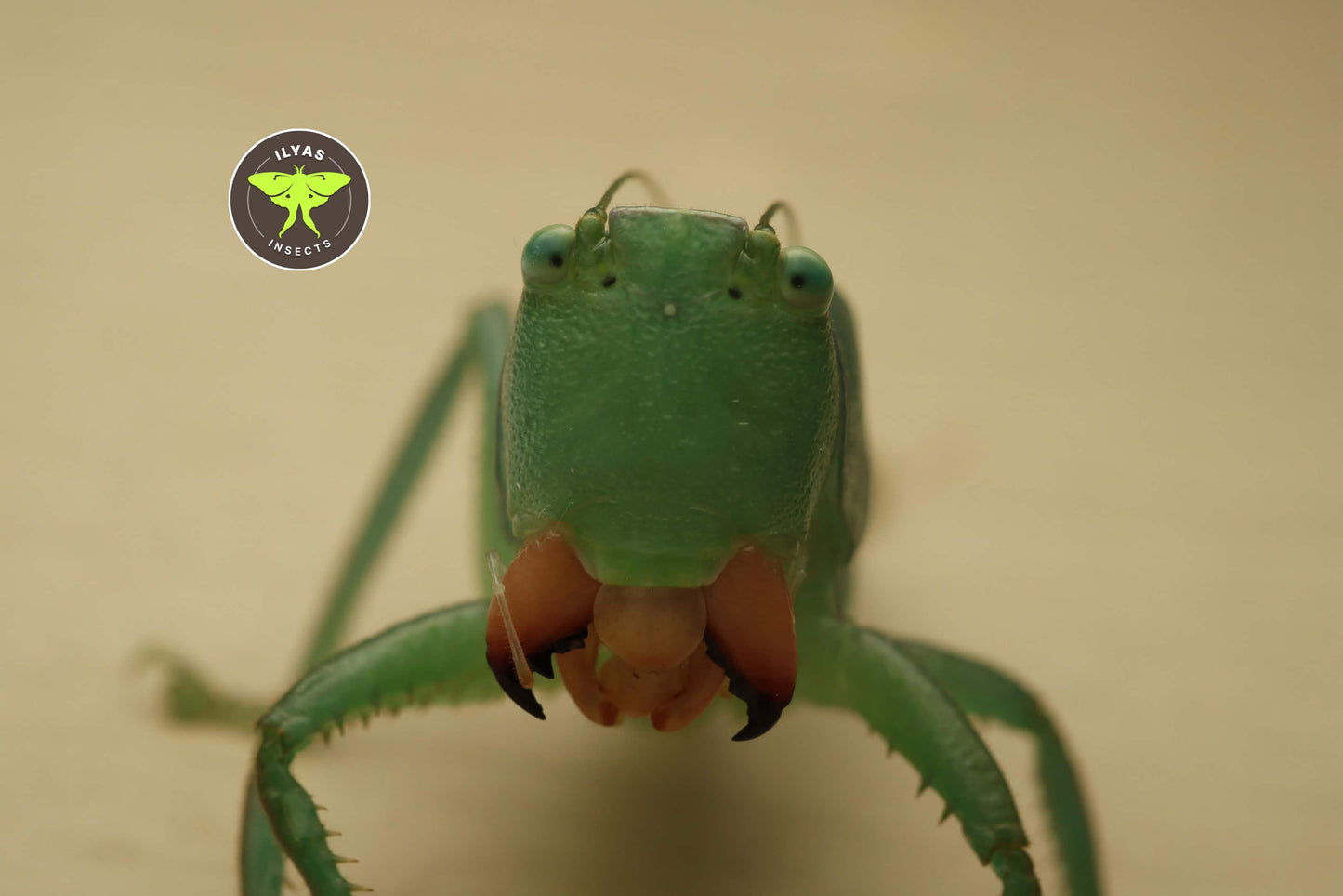
Eurymetopa obesa
Eurymetopa obesa
Couldn't load pickup availability
Eurymetopa obesa
Basic caresheet
Common name
/
Origin
Peru, Ecuador,
Adult size
Females: 4-8cm
Males: 4-6cm
Temperature & humidity requirements
24 to 28 °C
70 to 80% humidity
Feeding source
Active predator that requires a mixed diet
Accepts live insect prey straight from the tongs such as fruitflies, crickets and red runner roaches.
Provide prey every few days
Housing requirements
Plastic or glass terrarium with a well-ventilated top lid
Best substrates: coconut fiber or sphagnum moss
This species hides under leaves of plants such as Pothos, so always provide a plant (live or artificial)
Requires high humidity combined with good ventilation
Mist every 2 days with chlorine-free water at dusk
Breeding guidelines
Both sexes must be well fed to reduce risk of cannibalism
Adults should be at least 6 weeks old before pairing
House the pair in a well-planted terrarium or net cage with plenty of food
Females almost exclusively need a host plant for oviposition (but also lay in substrate)
Recommended plants: Strelitzia or Musa (banana)
Females readily lay eggs at the base of stems or in soil, leaving visible bite marks
Mating and egg laying occur mainly at night, so provide sufficient dark hours
Eggs hatch in 10 to 11 weeks
Nymphs can be kept in groups up to L2, but should then be separated to prevent cannibalism
Young nymphs, especially L1–L2, need frequent misting, every evening is ideal
Egg incubation guidelines
Eggs left inside the host plant will hatch naturally with the best success rate
If eggs are removed, follow this procedure:
-
Prepare a plastic container with a perforated lid (not too many holes to retain humidity).
-
Place 2–3 layers of kitchen paper towel at the bottom, mist until evenly moist but not waterlogged.
-
Check every 2 days to ensure the paper remains moist but not dry.
-
Replace paper towels weekly to avoid mold or bacterial growth.
Hatching usually occurs after 10 to 11 weeks.
Share